Writing Feature
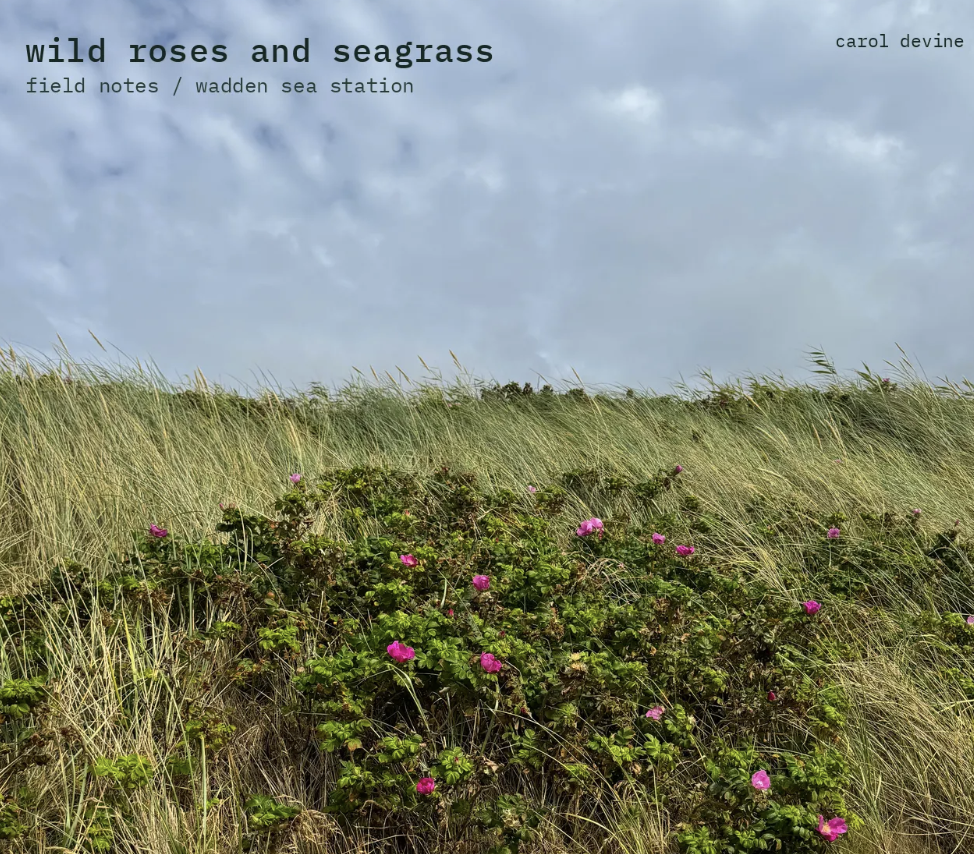
Jul 7, 2026 Wild Roses and Seagrass: A visit to the Wadden Sea Station on a disappearing island 🌺🌱🌊
I visited the Alfred Wegener Institute's Wadden Sea Station on Sylt, Germany, an island losing a meter of shoreline a year, where tourists photograph champagne on the beach and scientists run experiments containing the year 2100 in tanks of seawater.
I met three researchers: Tobias, who studies seagrass meadows so vast a single plant can span 140 kilometers, and who's watched storms shift season and tear up what he's spent his career protecting. Svenja, who manages five decades of ocean data and has learned more from farmers who've watched the tides change than from any denier's chart. Ditte, a PhD student adjusting tidal simulations by hand at dawn, hoping her worms survive an ammonia scare, testing futures that might arrive too fast for the ecosystems she's studying to adapt.
Same warming, different edge of the coast, one I've been tracking from the Arctic and Antarctic to here.
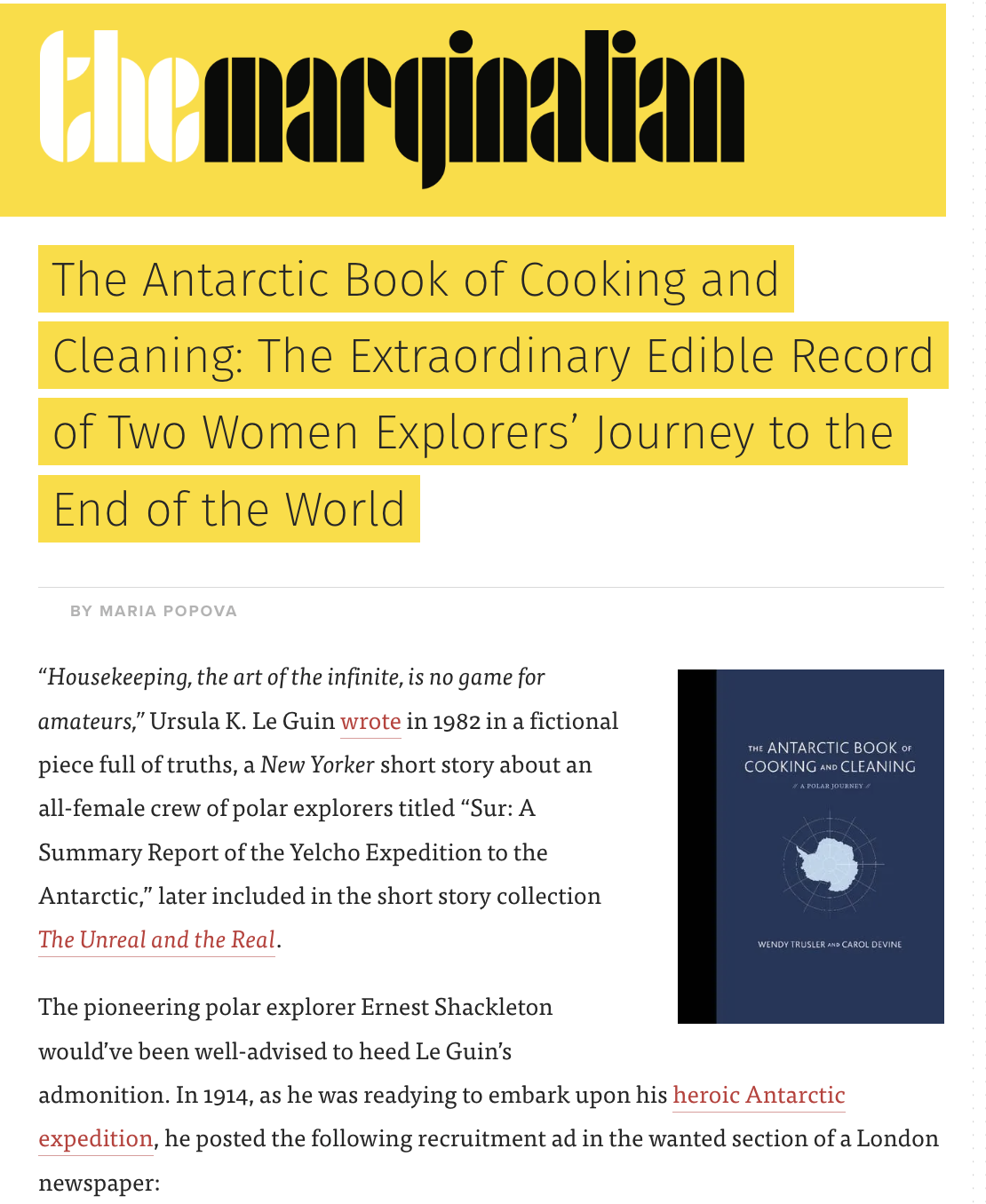
Piece by Maria Popova in The Marginalian about The Antarctic Book of Cooking and Cleaning, by Carol Devine & Wendy Trusler, Harper Books, 2014
As the expedition leader, Devine set out to recruit volunteers — in an era, it should be noted for perspective, when efforts of this sort were coordinated via fax and derailed by such disasters as blowing a slide projector. In addition to a program manager, an Antarctic veteran, and a biologist, she hired Wendy Trusler, a visual artist and chef renowned for cooking at tree-planting camps throughout Northern Canada….So began a most unusual and vitalizing collaboration between the women, which would become, twenty years later, The Antarctic Book of Cooking and Cleaning: A Polar Journey, an extraordinary tome blending the enchantment of Thoreau-like journaling (“A brilliant morning. Sun turns berg in bay into gold.”), the fascination of scientific observation and philosophical reflection (“[The Chilean Commandante] said you can’t write about something of which you are not a part. I disagreed, and agreed.”)
Research Note: mapping women+ of the Arctic: remapping the narrative of polar exploration, Polar Journal, Jul 2025
Carol Devine, Charlie Hewitt, Tahnee Prior
Mapping Women+ of The Arctic (Mapping WoA+) is an interactive and participatory digital cartography project fitting squarely within contemporary polar social science research, methodologies, and dialogue on the history, future, and gender dimensions of the Arctic. This multidisciplinary project – of a region with prevalent colonial and male-dominated stories of discovery, exploration, cartography, place-naming, and impact – shines a spotlight on women+’s (anyone who identifies as a woman) contributions to the Arctic. It highlights their stories within Polar history, especially in the Arctic. Their contributions have largely gone undocumented or are lesser known, as are those of Indigenous peoples and LGBTQ+ individuals. Inspired by Devine’s sister crow-mapping project, Mapping Antarctic Women, inspired by an ecological expedition she led to the Antarctic peninsula.
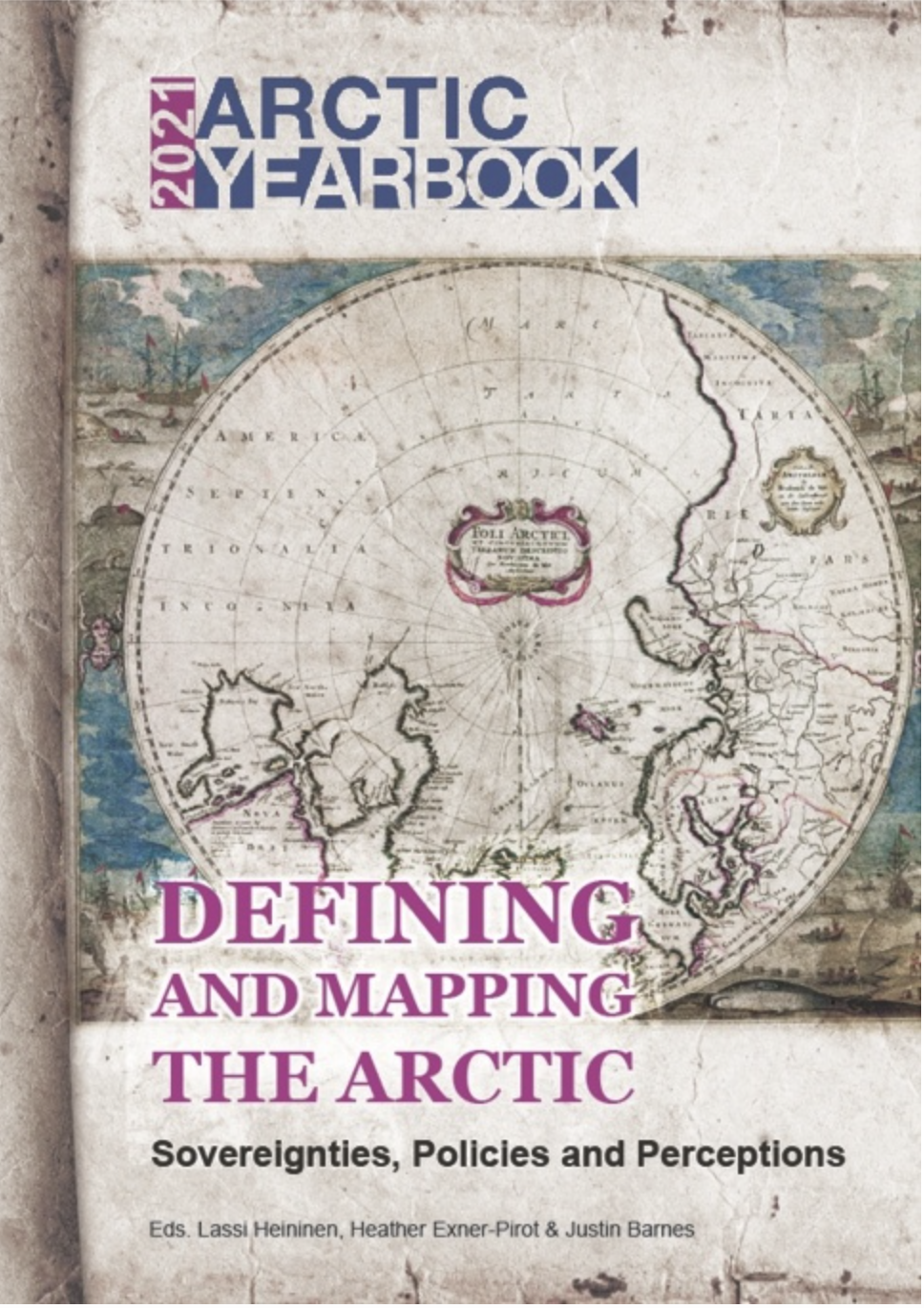
Finding Marguerite and Tookoolito: “Mapping Women of the Arctic”, Arctic Yearbook 2021
Carol Devine, Tahnee Prior & Gosia Smieszek
Maps can beautifully and, at times, wistfully tell us the story of us. However cartography, like history, often overwhelmingly documents the worlds, stories, and accomplishments of men. In these stories, the contributions of women, especially Indigenous women, rarely make it onto the map. This holds true in the Arctic as well. In this commentary, we explore the gendered dimension of map-making, honour the rare yet pivotal examples of female cartography, introduce Mapping Women of the Arctic, a way of re-imagining the Arctic through female placenames, and encourage readers to locate and highlight women’s contributions to the sciences, arts, policy, culture, diplomacy, history, exploration, and more. Mapping Women of the Arctic is a new, crowdsourced map-making initiative that seeks to celebrate and mark the unsung achievements of women in the Arctic.
For samples of creative and other writing see Chill Perspectives: What Ice can teach us about ourselves and our world, Carol Devine in conversation with glaciologists M Jackson and Erin Pettit in Parley for the Oceans, Aquamess: Our Synthetic Footprints On Top of the World in Parley for the Oceans, The Moon, the Stars and a Scar: Bodymapping stories of women living with HIV/AIDS, Border Crossings
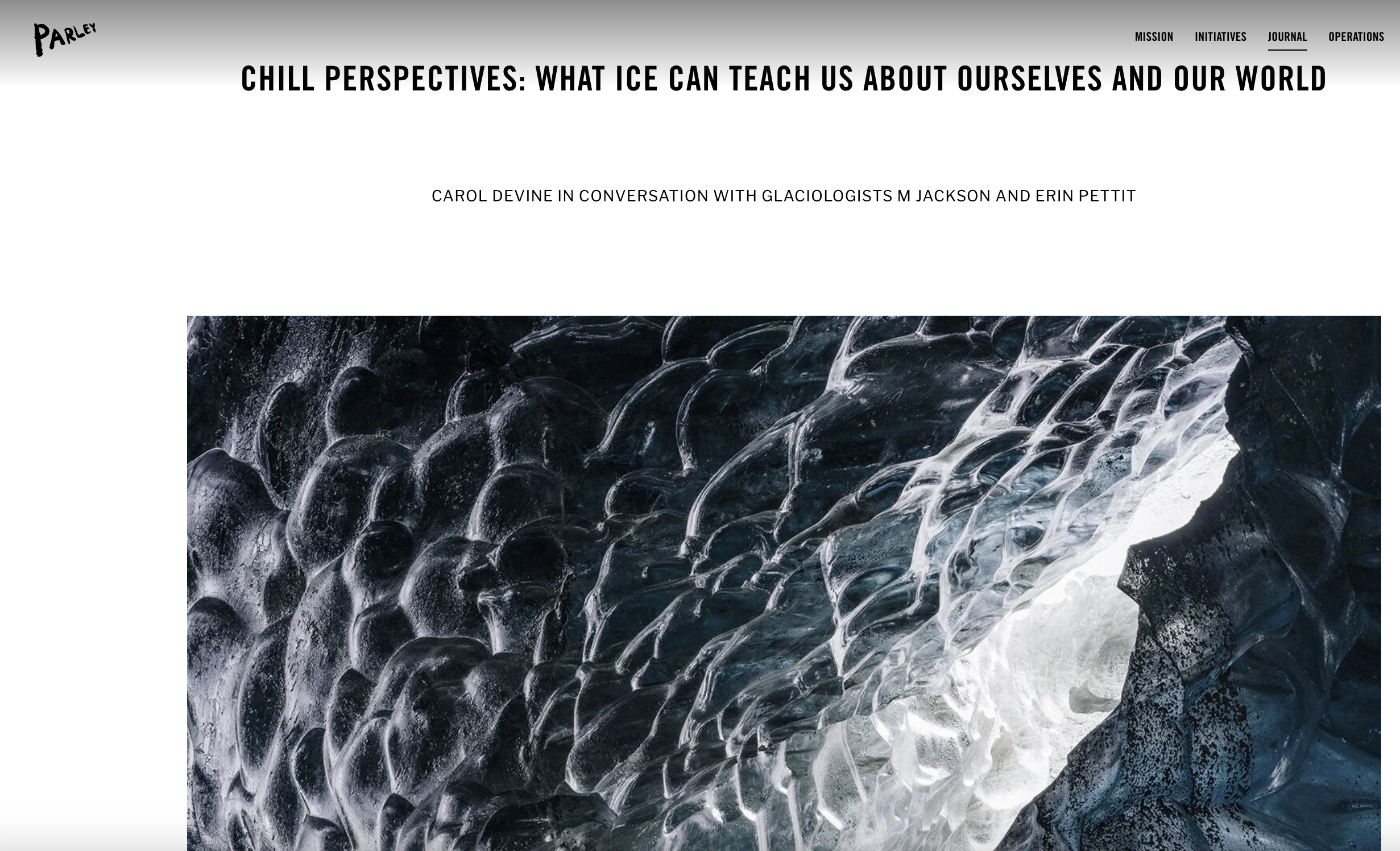
Our planet is and always has been a dynamic one. In the age of humans, we inhabit and shape a world of extremes. We call it the environmental crisis, yet our home existed long before we showed up. In each issue we see a reflection of ourselves — and a warning for our future.
As our understanding of the natural world deepens, so does our understanding of ourselves as a species within a greater living system. The impacts of climate change are ecologically, societally and culturally nuanced and complex. What does it mean to be human at a time when we must reckon with human-driven climate catastrophes? Answers demand perspective, something offered in abundance in the harshest environments. Glacier scientists find theirs in the stories of ice.
For academic writing see Research Gate - for diverse publications e.g. The Lancet Countdown, The Journal of Climate Change and Health, BMJ Open
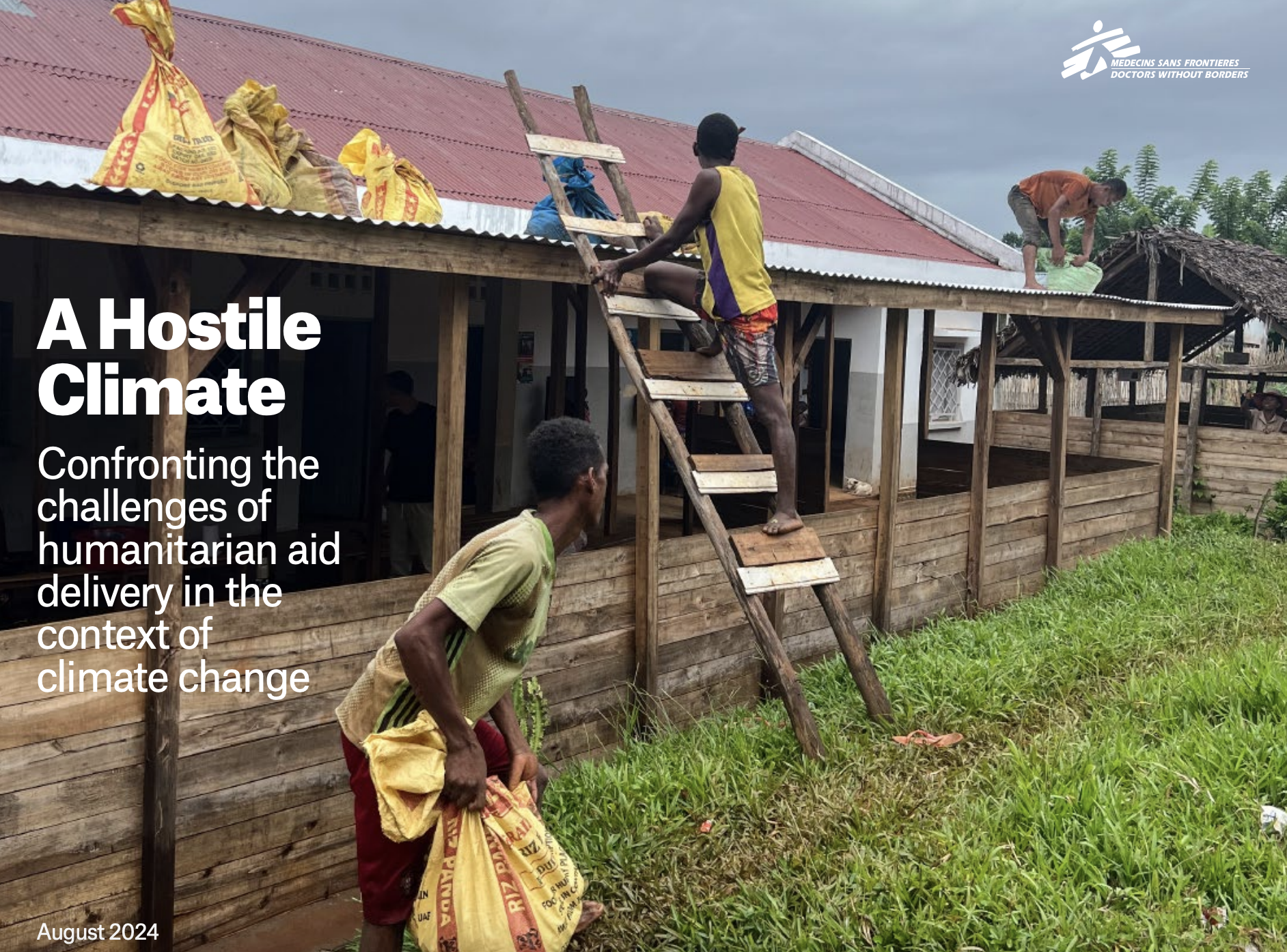
Hostile Climate: How MSF humanitarian workers and communities are adapting to climate change. Climate change is having devastating consequences for human health. A new report from MSF Canada and Heidelberg University Institute of Global Health describes how MSF humanitarian workers, patients and communities are experiencing and responding to a rapidly changing environment.
Drawing on interviews with 49 humanitarian staff in 30 countries around the world, the report ‘A hostile climate: Confronting the challenges of aid delivery in the context of climate change, details how rapid and slow onset climate hazards, changes in water availability and quality, and food scarcity linked to climate change are amplifying humanitarian needs.